

Introduction
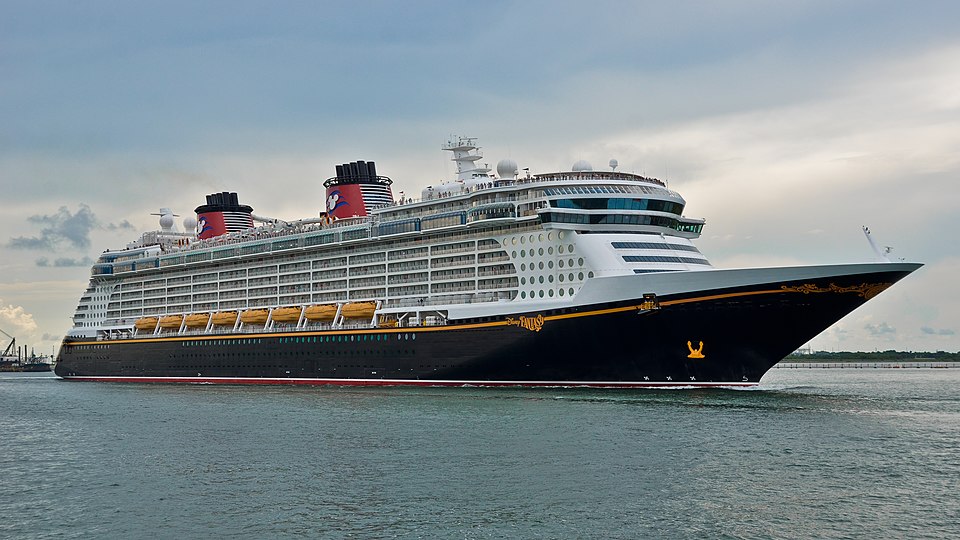
Few travel experiences capture the imagination quite like stepping aboard a grand cruise ship. An entire floating city at sea, the modern cruise liner offers a rare blend of luxury, adventure, and a sense of timeless romance that recalls an era when ocean voyages were the height of sophistication. Today’s cruise ships are technological marvels—vast, glittering resorts that glide across oceans and rivers alike—promising passengers an escape from the ordinary and a passage into the extraordinary.
From early steamships carrying intrepid explorers to today’s eco-conscious mega-liners brimming with fine dining, theaters, and rooftop gardens, the cruise ship industry continues to redefine what it means to travel by sea.
The Floating City: What Defines a Modern Cruise Ship
Stepping onto a cruise ship can feel like entering a self-contained world. What was once merely a vessel to transport passengers from port to port has evolved into a multi-deck playground designed to entertain, relax, and delight every type of traveler.
-
Size and Scale: The largest ships today carry over 6,000 guests and thousands of crew members, often stretching longer than three football fields.
-
Amenities: From water parks and skydiving simulators to Michelin-level restaurants and Broadway-style shows, modern ships are engineered to keep boredom at bay.
-
Design: Light-filled atriums, panoramic observation decks, and lavish suites rival the finest hotels on land.
It is this blend of resort comfort and the ever-changing ocean backdrop that keeps millions booking voyages year after year.
A Brief History: From Ocean Liners to Leisure Cruises
Cruise ships trace their lineage to the grand ocean liners of the 19th and early 20th centuries. Back then, crossing the Atlantic was a necessity, not a luxury. Lines like Cunard and White Star vied to build the largest, fastest vessels, catering to both wealthy elites in first-class suites and immigrants traveling steerage.
As air travel eclipsed ocean crossings, the industry reinvented itself. No longer a mode of transport alone, cruising became a holiday in itself. Companies like Carnival, Royal Caribbean, and Norwegian Cruise Line transformed the market by making cruises accessible to a broader audience, adding entertainment and exotic ports of call that turned the journey into the main event.
Why Cruising Continues to Captivate
In an age where travel options are abundant, the cruise ship holds a unique place in the hearts of many travelers. Its enduring appeal stems from a few distinct qualities:
-
Effortless Travel: Passengers unpack once, yet wake up each morning in a new destination.
-
All-Inclusive Experience: Meals, lodging, entertainment, and transport are bundled into a single voyage.
-
Community at Sea: Cruising fosters a rare camaraderie. Friendships form on sun decks and over communal dining tables.
-
A Journey for Everyone: Whether you crave adventure excursions, relaxation by the pool, or cultural enrichment, cruise itineraries offer something for every mood and age.
The World Afloat: Diverse Types of Cruises
1. Ocean Cruises
These are the iconic large ships that sail vast seas, connecting cosmopolitan cities with sun-soaked islands. Itineraries might span the Caribbean, the Mediterranean, Alaska’s rugged coastline, or the South Pacific’s hidden gems.
2. River Cruises
Inland waterways like the Danube, Rhine, or Mekong have inspired a surge in river cruising. These smaller vessels glide through scenic landscapes and historic towns, offering an intimate, slow-paced alternative to ocean voyages.
3. Expedition Cruises
For the truly adventurous, expedition cruises venture where few dare—Antarctica’s icy expanse, the Galápagos Islands’ unique biodiversity, or the remote fjords of Greenland. Ships are built for exploration, often carrying zodiacs and naturalists for guided landings.
Life Onboard: A Day at Sea
What makes the cruise ship experience so beguiling is its gentle balance of structure and freedom.
-
Morning: Early risers can greet the dawn with yoga on deck or coffee overlooking the waves.
-
Daytime: Excursions whisk passengers to ancient ruins, coral reefs, or bustling city markets. Onboard, lectures, cooking classes, or simple sunbathing fill the hours.
-
Evening: Formal dinners, cabaret shows, live music, and dancing stretch into the night, with moonlight walks on deck for those who linger.
Each moment is designed to remind guests that the journey itself is as delightful as the destination.
Innovation at Sea: The Future of Cruising
The modern cruise industry is undergoing a transformation driven by sustainability and innovation. Environmental concerns have led to groundbreaking new technologies.
-
LNG-powered ships reduce emissions and improve air quality.
-
Advanced waste treatment and water desalination systems minimize the environmental footprint.
-
Smart design includes solar panels, air lubrication systems to reduce drag, and energy-efficient lighting and HVAC systems.
In tandem, the guest experience continues to evolve—expect smart staterooms, app-controlled services, and immersive onboard attractions that push the boundaries of imagination.
Responsible Cruising: A New Mandate
While cruising brings economic benefits to port communities, it also raises important questions about overtourism and ecological impact. Forward-thinking cruise lines are partnering with local governments to manage visitor flows and invest in cleaner technologies. Passengers too are increasingly conscious of their role—choosing lines that prioritize sustainability, reduce single-use plastics, and contribute positively to local economies.
The Magic of the Open Sea
At its essence, the true magic of the cruise ship is not found only in its restaurants, shows, or grand staircases. It lies in the quiet moments: standing at the rail as the sun melts into the horizon, waking to the gentle sway of the sea, or feeling the salt wind on your face miles from any shore.
These simple sensations remind us why humankind has always felt drawn to the ocean—a longing for adventure, a desire for wonder, and the ancient pull of the open water.
Final Reflections: The Journey Continues
Cruise ships have sailed far from their origins, yet they remain anchored in a timeless truth: we are travelers by nature, ever drawn to horizons that promise something new. As these magnificent vessels glide from port to port, they carry with them more than passengers. They bear our collective longing to pause our busy lives, to savor the present, and to drift—if only for a little while—into a world where the sea meets the sky in endless possibility.