

Introduction
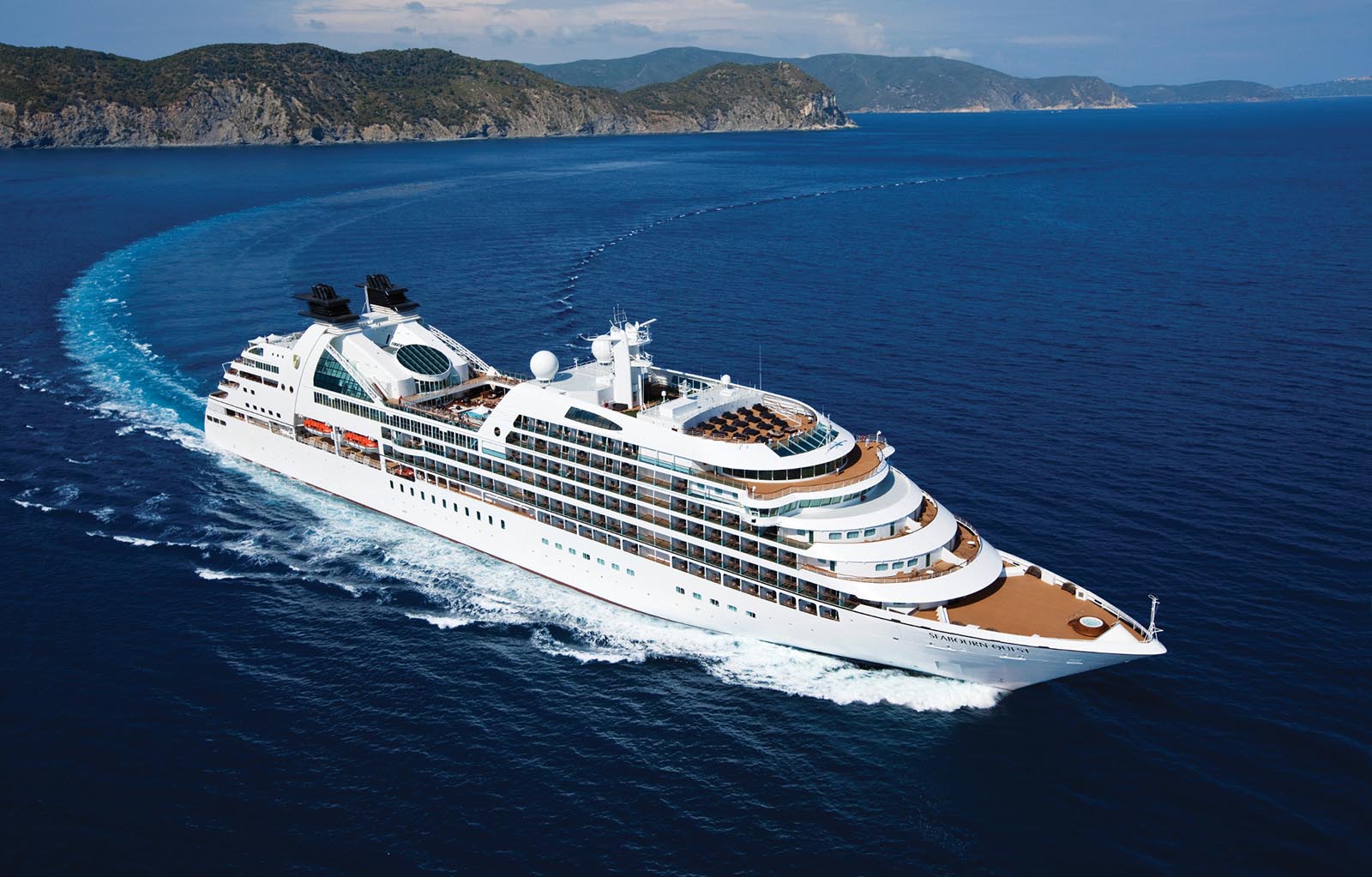
When people imagine the ultimate escape from routine, they often picture a vast blue horizon, the gentle sway of the sea, and the steady hum of a ship slicing through the waves. A modern cruise ship is not merely a means of travel; it is a self-contained world afloat—a palace on the ocean that offers luxury, leisure, and exploration in equal measure. While the basic notion of a ship ferrying people from one shore to another is ancient, the cruise ship as we know it today has evolved into a spectacular blend of resort, entertainment hub, and cultural gateway.
Stepping on board is to step into a curated experience where every sunrise reveals a new coastline and every sunset is toasted with fine wine on a teak deck. Yet, beneath this glamour lies a fascinating story of innovation, cultural trends, and timeless human longing for adventure at sea.
From Transatlantic Liners to Floating Resorts
The ancestors of today’s cruise ships were the grand ocean liners that connected continents in the late 19th and early 20th centuries. For many, the ship was a necessity—immigrants crossed the Atlantic on crowded decks while the wealthy sipped champagne in gilded dining rooms. Liners like the RMS Titanic, RMS Queen Mary, and SS Normandie were engineering marvels, symbols of industrial might and national pride.
When commercial air travel took the crown for speed and efficiency, passenger shipping companies faced extinction unless they reinvented themselves. The solution? Shift the focus from mere transportation to the journey itself. The birth of leisure cruising transformed the ship from a conduit into a destination—one where guests willingly circled back to their starting point just for the pleasure of the voyage.
What Defines a Modern Cruise Ship
Today’s cruise ships are masterpieces of scale and ingenuity. Some carry over 6,000 passengers, supported by thousands of crew members from every corner of the world. A typical modern liner can have as many amenities as a small city, all designed to meet every desire imaginable while at sea.
Key features include:
-
Multiple restaurants and specialty dining venues offering cuisines from sushi to French haute cuisine.
-
Entertainment complexes featuring Broadway-style productions, comedy clubs, and cinemas.
-
Recreation facilities such as rock-climbing walls, surf simulators, skating rinks, and sprawling pool decks.
-
Luxurious spas, fitness centres, and wellness retreats with ocean views.
-
Children’s clubs, teen lounges, and family-oriented activities to cater to all generations.
No longer just ships—they are floating playgrounds, wellness retreats, culinary journeys, and cultural hubs all at once.
Why People Choose Cruising
For many travellers, a cruise ship delivers what few other vacations can: effortless exploration combined with unbroken relaxation. Passengers unpack once yet wake up to new horizons every morning.
Other enduring draws include:
-
Value for money: Accommodation, meals, entertainment, and transport bundled together.
-
Social atmosphere: A cruise can be as intimate or social as you choose, with the chance to meet fellow travellers from around the globe.
-
Accessibility: Cruises make remote or multi-destination trips easy, especially for families and older travellers who appreciate the convenience.
-
Sense of occasion: There’s a timeless glamour to cruising—formal nights, live orchestras, elegant dinners—that harks back to the golden age of ocean travel.
Different Types of Cruises
1. Ocean Cruises
These are the giants of the industry—massive ships sailing the Caribbean, Mediterranean, Baltic, or Pacific. Popular with first-timers, families, and party-goers, ocean cruises focus on variety, from bustling ports to days at sea brimming with activities.
2. River Cruises
River cruises offer a more intimate experience. Smaller vessels navigate the world’s great rivers—Danube, Rhine, Nile, Mekong—bringing passengers into the heart of cities and villages. Days are filled with guided tours, local tastings, and cultural insights, while evenings unfold in elegant dining rooms overlooking moonlit waters.
3. Expedition Cruises
For the truly curious, expedition ships venture to remote regions like the Arctic, Antarctic, or Galápagos Islands. These vessels are smaller, sturdier, and staffed with naturalists, scientists, and photographers who transform the voyage into an immersive educational experience.
Life Aboard: A Day at Sea
The true magic of a cruise is how seamlessly it weaves adventure with leisure. A typical day might begin with sunrise yoga on deck, followed by a leisurely breakfast overlooking the ocean. The afternoon might bring a cooking workshop, a shore excursion to ancient ruins, or simply a nap by the pool with the hush of waves as your lullaby.
Evenings are alive with possibility: wine tastings, cabaret shows, themed parties, or a quiet moment under the stars, listening to the hum of the sea. For many, this blend of freedom and structure is the heart of cruising’s appeal.
Sustainability at Sea: The Next Horizon
As magnificent as they are, cruise ships have not escaped scrutiny. Concerns about carbon emissions, waste disposal, and overtourism have sparked an industry-wide reckoning. Today’s leading cruise lines are investing heavily in greener technologies.
-
Liquefied natural gas (LNG) propulsion to cut emissions.
-
Advanced wastewater treatment and zero-discharge systems.
-
Onboard recycling and reduction of single-use plastics.
-
Shore power connections that allow ships to switch off engines while docked.
Responsible cruise lines partner with local communities to limit the impact of visitor numbers, support local economies, and ensure that fragile ecosystems remain pristine for future generations.
The Enduring Romance of the Sea
Beyond the technology and amenities, a cruise ship offers something intangible but profound: the sense of timelessness that comes from being at sea. There is something elemental about standing at the ship’s railing, wind on your face, as the sun slips beneath the horizon and the world becomes sky, stars, and endless water.
Cruising taps into our ancient wanderlust—our desire to set sail toward the unknown, if only for a little while. It allows us to slow down, disconnect from life’s digital demands, and reconnect with the wonder of travel in its purest form.
Final Thoughts: The Journey, Not Just the Destination
A cruise ship embodies the best paradox in travel: that sometimes the place you stay becomes the place you’re going. Each voyage is a reminder that the journey itself—meandering, luxurious, unpredictable—is worth celebrating. Whether you find yourself sipping champagne on a Caribbean balcony, watching glaciers calve into Alaskan fjords, or gliding past ancient castles along the Danube, the real destination is the joy of the voyage itself.
And when the gangway lowers and you step ashore, you carry with you the gentle reminder that sometimes the best way to see the world is from the deck of an ocean palace, sails unfurled toward adventure.