

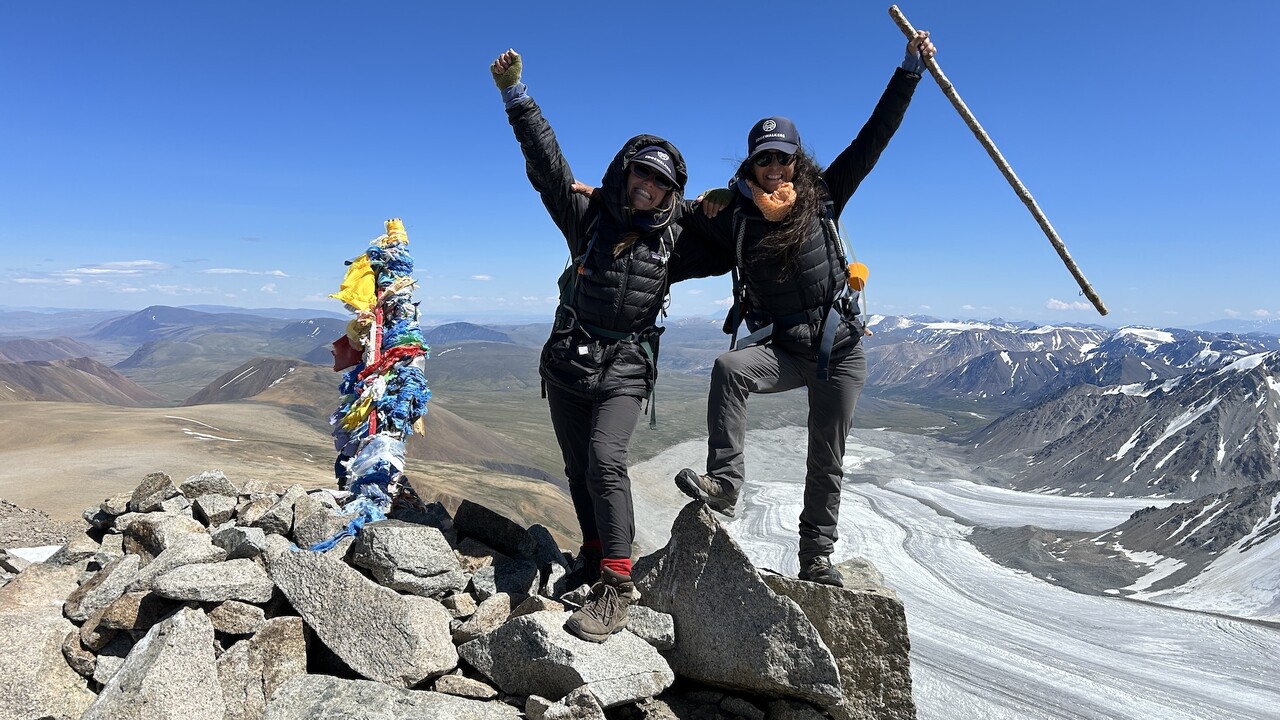
Introduction: The Human Urge to Roam
Adventure is one of the oldest impulses known to humankind. It is the restless stirring that led ancient seafarers into uncharted oceans, compelled mountaineers to scale unthinkable heights, and draws modern travelers across continents with nothing but a backpack and an open mind. To seek adventure is to court the unknown, to step out of comfort and into growth. Yet adventure is not merely the pursuit of physical thrills—it is a philosophy, a mindset, a way of engaging with life that defies routine and embraces curiosity.
In a world increasingly curated, filtered, and safe, the true spirit of adventure remains a powerful, disruptive force—one that reawakens our senses and redefines our understanding of possibility. This article explores the many facets of adventure, from its psychological depths to its societal value, offering a lens through which to view not just travel or exploration, but life itself.
Defining Adventure: More Than Just Adrenaline
Contrary to popular belief, adventure does not always require a dramatic leap from a plane or a climb up Everest. At its heart, adventure is the willingness to immerse oneself in the unfamiliar. It is as much about internal transformation as it is about external action.
Key Dimensions of Adventure:
-
Physical Challenge: Hiking across rugged terrain, white-water rafting, rock climbing, or deep-sea diving—these classic adventures test the body’s limits and reward us with raw, primal satisfaction.
-
Cultural Exploration: Immersing oneself in unfamiliar traditions, foods, languages, and philosophies broadens perspective and fosters empathy. A trip to a remote village can be as adventurous as a mountain expedition.
-
Emotional Risk: Taking a leap into the unknown—whether it’s moving to a new city, starting a creative endeavor, or trusting someone deeply—requires courage and vulnerability. These internal adventures are often the most transformative.
The Psychology of Adventure: Why We Crave It
There is a reason our hearts beat faster when we face uncertainty. Biologically, adventure triggers the release of dopamine, the brain’s “feel-good” neurotransmitter. But the lure of adventure goes beyond chemical reactions—it touches something deep within the human spirit.
What Drives Us to Seek Adventure:
-
Curiosity: A deeply human trait, curiosity compels us to ask, “What’s out there?” and then go find out.
-
Growth and Resilience: Facing unknown situations forces us to adapt, often revealing strengths we didn’t know we had.
-
Freedom: In a structured world, adventure offers a temporary suspension of order. It is a space where we are no longer defined by roles, but by choices made in real time.
-
Meaning: Many seek adventure as a path to self-discovery. Stripped of routine, the noise of modern life fades, allowing for clarity and insight.
Types of Adventure: Tailoring the Experience
Every person’s idea of adventure is different. What terrifies one may inspire another. The beauty lies in the spectrum of possibilities—there is an adventure for every soul.
Popular Forms of Modern Adventure:
-
Solo Travel: An introspective journey that forces one to rely on instinct and inner strength.
-
Backpacking: Minimalist and mobile, this style promotes spontaneity and immersion.
-
Extreme Sports: For those who chase adrenaline, activities like paragliding, bungee jumping, or cave diving offer visceral thrills.
-
Expedition Travel: From Arctic expeditions to desert crossings, these involve long-term preparation and deep engagement with harsh environments.
-
Volunteering Abroad: Combining travel with service brings deeper purpose and often unplanned connections and revelations.
The Role of Adventure in Modern Life
As our lives become more digitized and sedentary, adventure serves as a vital counterbalance. It reconnects us with the physical world and reminds us that real life cannot be paused, filtered, or predicted.
Why Adventure Matters More Than Ever:
-
Breaks Routine: Adventure disrupts autopilot living. It forces mindfulness, presence, and attentiveness.
-
Fosters Creativity: Stepping outside the norm often leads to novel ideas, fresh perspectives, and creative breakthroughs.
-
Builds Community: Whether shared with strangers or friends, shared adventures forge deep, often lifelong bonds.
-
Encourages Stewardship: Adventuring in natural environments often nurtures a sense of responsibility toward the planet and its preservation.
Preparing for Adventure: Practical Wisdom
While adventure celebrates spontaneity, preparation ensures safety and longevity. A thoughtful approach enhances enjoyment and minimizes risk.
Preparation Tips for Adventurers:
-
Research the Destination: Understand the geography, climate, culture, and potential hazards.
-
Pack Intelligently: Opt for quality over quantity. Essentials include navigation tools, first-aid supplies, weather-appropriate gear, and a flexible mindset.
-
Train Your Body: Physical conditioning enhances endurance and reduces injury risk.
-
Know Your Limits: Pushing boundaries is admirable, but knowing when to stop is essential.
-
Travel Responsibly: Respect local communities and environments. Leave no trace, both literally and figuratively.
Stories That Inspire: Real-World Tales of Adventure
Throughout history, tales of daring individuals have inspired generations. From Shackleton’s Antarctic survival saga to modern solo sailors circling the globe, these stories remind us that adventure isn’t about bravado—it’s about perseverance, vision, and heart.
Even quieter tales—such as a retiree hiking the Appalachian Trail, or a young artist cycling across countries to sketch strangers—carry lessons in courage, humility, and the power of purpose.
Conclusion: Living Adventurously Every Day
You don’t need to climb mountains or cross oceans to live adventurously. The essence of adventure lies in how we approach life—curious, open, and willing to step into the unknown. Trying a new skill, reaching out to someone unfamiliar, or making a bold life decision can all be acts of courage and adventure.
To live adventurously is to live fully, embracing both the exhilaration and uncertainty that come with it. It is to say yes to life not only when it’s convenient or safe but especially when it stretches us.
In the end, adventure is less about where you go and more about who you become along the way. And often, it begins with a single, daring step beyond the horizon.