

Introduction: The Call of the Unfamiliar
There is something profoundly stirring about stepping into the unknown. Whether it’s traversing distant lands, diving into untamed waters, or simply embarking on an unplanned journey, adventure awakens a primal instinct buried beneath the layers of daily routine. It demands curiosity, courage, and the willingness to exchange predictability for possibility. In a world increasingly governed by schedules and screens, the pursuit of adventure is more than a pastime—it is a return to self.
Adventure, in its truest sense, is not reserved for the rugged mountaineer or the thrill-seeking vagabond. It resides in moments of bravery and self-discovery, in choices that stretch comfort zones and stir the soul. This article explores the rich tapestry of adventure—its meaning, its impact, and its essential place in a well-lived life.
Defining Adventure: A Personal Pursuit
Adventure defies one-size-fits-all definitions. What constitutes a grand adventure for one might seem modest to another. The essence of adventure lies not in the scale of the act but in the spirit of exploration it embodies.
Forms of Adventure:
-
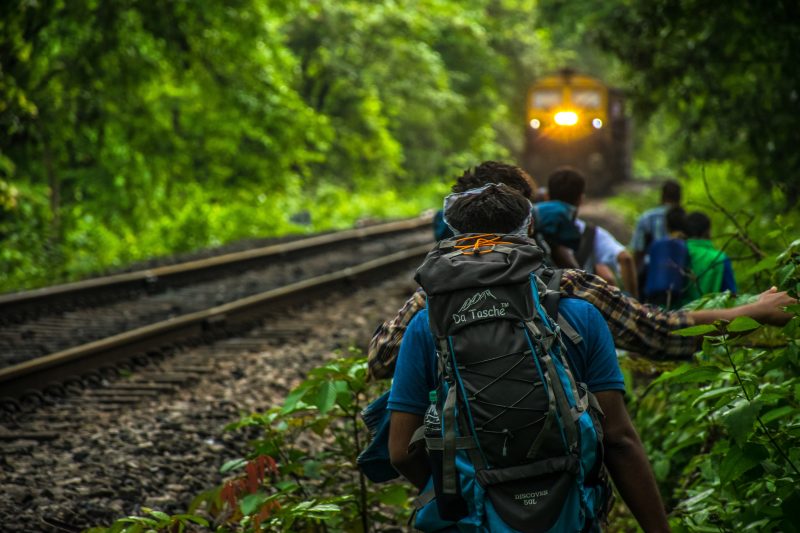
Physical Exploration: Activities such as hiking, sailing, skiing, or backpacking through foreign lands test the limits of the body and mind. These are the traditional expressions of adventure that inspire awe and often require endurance and preparation.
-
Cultural Immersion: Venturing into unfamiliar cultures—learning local customs, languages, and traditions—offers a different kind of thrill. The adventure here is in the humility of listening, adapting, and understanding.
-
Creative and Intellectual Challenges: Writing a novel, launching a business, or learning an instrument can be equally adventurous. These endeavors demand vulnerability, risk, and sustained commitment.
-
Emotional Journeys: Leaving a secure job to follow a passion, moving to a new city alone, or daring to love after heartbreak are profoundly adventurous acts. They reflect inner courage more than physical daring.
Why We Seek Adventure: The Deeper Impulse
Adventure fulfills more than just a thirst for excitement. At its core, it touches on universal human needs—growth, freedom, identity, and connection.
Core Motivations Behind the Urge for Adventure:
-
Personal Growth: Adventure challenges assumptions and builds resilience. In discomfort and uncertainty, individuals often uncover reserves of strength and clarity they didn’t know they had.
-
A Break from Routine: The predictability of modern life can dull the senses. Adventure reawakens awareness and injects vitality into the everyday.
-
A Quest for Meaning: Adventures often prompt reflection. Removed from familiar surroundings, one begins to question values, goals, and the nature of happiness itself.
-
Joy in the Journey: There is inherent pleasure in discovery—the beauty of a hidden waterfall, the laughter of strangers around a fire, the taste of unfamiliar food savored in a quiet corner of the world.
Adventure in the Modern Age: Beyond Stereotypes
Today, adventure is more accessible—and more diverse—than ever. Gone are the days when adventure was confined to explorers with maps and machetes. The digital era has transformed how we experience and define it.
Modern Trends in Adventure:
-
Microadventures: Coined by British adventurer Alastair Humphreys, microadventures refer to short, local, low-cost journeys that pack the spirit of exploration into everyday life. A night under the stars, a spontaneous day trip, or a dawn kayak session—these small acts restore a sense of wonder without needing exotic locales.
-
Solo Travel: Increasingly popular, especially among women and millennials, solo travel offers deep self-reliance and reflection. It teaches travelers to trust their instincts, navigate challenges alone, and savor solitude.
-
Eco-Adventure and Responsible Tourism: Modern adventurers are increasingly mindful of their environmental footprint. Sustainable travel, wildlife conservation projects, and low-impact trekking routes reflect a growing consciousness.
Risks and Rewards: The Dual Nature of Adventure
No adventure is without its risks. That, in fact, is part of its allure. Stepping into the unknown entails the possibility of failure, discomfort, or danger. But these risks are often the crucible in which the most profound personal transformations occur.
Potential Challenges:
-
Navigating unfamiliar environments or languages
-
Facing physical or emotional exhaustion
-
Dealing with setbacks or changing plans
Immeasurable Rewards:
-
Increased confidence and independence
-
A broader worldview and deeper empathy
-
Memories and stories that last a lifetime
The presence of risk also cultivates respect—for nature, for other cultures, and for one’s own limitations. It teaches humility and adaptability, qualities that enrich not only travel but life itself.
Cultivating an Adventurous Mindset
While grand journeys may be few and far between for many, the adventurous spirit can be nurtured daily. It is less about where you go, and more about how you see and engage with the world.
How to Embrace Everyday Adventure:
-
Say Yes More Often: Accept unexpected invitations or opportunities, even if they disrupt your usual rhythm.
-
Try Something New Each Week: Whether it’s a new route to work, a cuisine you’ve never tasted, or a hobby outside your comfort zone, novelty fuels the spirit.
-
Travel with Purpose: Rather than collecting passport stamps, seek depth—connect with locals, volunteer, or learn the story behind a place.
-
Reflect and Record: Keep a journal or photo diary of your adventures. Documenting experiences helps make sense of their impact.
Conclusion: Adventure as a Way of Being
Adventure is not a detour from life—it is life. It demands presence, invites challenge, and rewards openness. Whether it unfolds on a mountaintop or in a moment of vulnerability, adventure enriches us, reshapes us, and reminds us of our capacity to evolve.
To live adventurously is to resist complacency and embrace the unknown not with fear, but with wonder. It is to seek not just new places, but new perspectives. In the end, the most meaningful adventures are not those that change our scenery, but those that change our souls.