

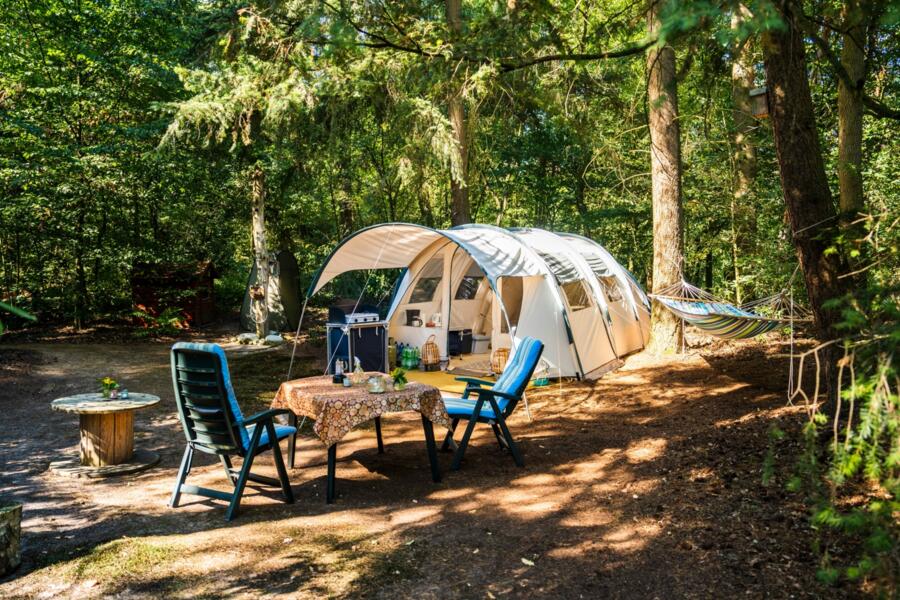
Introduction: Rediscovering Simplicity Under the Stars
In a world increasingly characterized by digital noise and constant motion, camping remains one of the few experiences that offer a true return to simplicity. Beneath the expanse of starlit skies, away from concrete jungles and glowing screens, camping invites us to reconnect—not only with nature but also with ourselves and those we share the moment with. It is both an escape and a homecoming, where the quiet crackle of a campfire can say more than a thousand words, and time flows not by the ticking of a clock, but by the rhythm of the earth.
Camping, though humble in essence, is profoundly enriching. It encourages mindfulness, fosters resilience, and instills an appreciation for the elemental things: warmth, shelter, food, and companionship. This article explores the depth and diversity of camping—its enduring appeal, evolving forms, and the wisdom it offers in an age that often forgets how to be still.
The Essence of Camping: A Return to Roots
At its core, camping is about living simply. It strips life down to its fundamentals and reveals a quieter, more authentic version of ourselves. Whether in a secluded forest, a windswept coast, or a sunlit meadow, camping removes the clutter and distractions of modern life, replacing them with serenity, space, and natural beauty.
Why Camping Resonates Deeply:
-
Simplicity: Without the interference of technology or excess, campers are left with just the essentials—and that is often more than enough.
-
Freedom: With no itinerary to follow or obligations to meet, camping allows people to move at their own pace, on their own terms.
-
Presence: Nature commands attention. From the rustling of leaves to the scent of pine and earth, every moment outdoors draws one back into the present.
Varieties of Camping: A Style for Every Soul
While traditional tent camping in the wilderness remains beloved, modern adventurers now have an array of styles to choose from, each catering to different needs and comfort levels. The spectrum of camping options ensures that anyone—regardless of experience or preference—can find their own way to the great outdoors.
Popular Forms of Camping:
-
Tent Camping: The classic experience, involving pitching a tent in a designated campground or remote site. It’s immersive, intimate, and often the most affordable option.
-
Car Camping: This involves driving directly to the campsite and sleeping either in the vehicle or a tent nearby. Convenient for families or those carrying heavy gear.
-
Backpacking: For the more adventurous, backpacking means hiking into remote areas with all essentials carried on one’s back. It’s rugged and demands preparation, but offers unmatched solitude and immersion.
-
Glamping (Glamorous Camping): A luxurious twist on traditional camping, glamping features amenities like real beds, electricity, and even gourmet meals—set in stylish tents or cabins.
-
RV or Camper Van Camping: Providing mobility and comfort, RV camping allows travelers to explore wide-ranging destinations while enjoying shelter and modern conveniences.
The Joys and Challenges of Life Outdoors
Camping brings with it countless joys—moments that stay etched in memory long after the tent is packed away. Yet, it also presents challenges that, while sometimes uncomfortable, shape us in meaningful ways.
Enduring Pleasures:
-
Watching the sunrise through a misty treetop canopy
-
Sharing stories and laughter around a glowing fire
-
Listening to the calming rhythms of night creatures and wind
-
Cooking simple meals that taste extraordinary outdoors
-
The deep, satisfying sleep that comes after a day in the fresh air
Common Challenges and What They Teach:
-
Unpredictable Weather: Teaches adaptability and preparation
-
Limited Comforts: Encourages gratitude for small conveniences
-
Bugs and Wildlife: Fosters respect for the natural ecosystem
-
Navigating Without Technology: Strengthens problem-solving and observation skills
Camping’s inconveniences are rarely regrets; rather, they become the stories told, the lessons learned, and the bonds strengthened.
Preparing for a Fulfilling Camping Experience
While spontaneity is part of camping’s charm, a certain degree of preparation ensures that the experience remains enjoyable and safe. A thoughtful approach allows campers to be fully present in the moment, rather than distracted by avoidable mishaps.
Essential Considerations:
-
Choose the Right Location: Whether seeking solitude or amenities, selecting a site suited to one’s comfort level and interests is crucial.
-
Pack Smart: Essentials include shelter, sleeping gear, cooking supplies, food, water, clothing layers, and a first-aid kit.
-
Leave No Trace: Following ethical practices protects the environment for future generations—pack out what you pack in, respect wildlife, and minimize campfire impacts.
-
Know the Weather: Checking forecasts and packing accordingly prevents many common issues.
-
Stay Safe: Understand the terrain, bring a map or GPS, and inform someone of your plans if heading into remote areas.
Camping as a Path to Connection
One of the most enriching aspects of camping is the connection it nurtures—between people, and between humans and the natural world. Without the distractions of modern life, conversations deepen, silences grow comfortable, and relationships strengthen.
Families often find renewed closeness while sharing meals under open skies. Friends build lifelong memories through shared adventures and unexpected mishaps. Solo campers rediscover self-reliance and a quiet joy in solitude. In every form, camping serves as a reminder of what matters most: presence, simplicity, and authentic connection.
Conclusion: A Tradition Worth Keeping
In an age of hyper-connectivity and constant stimulation, camping remains a rare and sacred retreat. It is a tradition that transcends generations, beloved by those who seek meaning not in luxury or excess, but in the quiet whisper of wind through trees, the warmth of firelight on faces, and the freedom of open space.
Camping asks us to slow down, to listen, and to see—truly see—the world around us. It invites us to marvel again at stars unspoiled by city lights, to taste the richness of stillness, and to remember that, sometimes, the greatest luxury is nothing more than a patch of earth beneath a sky full of wonder.
So roll up the sleeping bag, strike the tent, and step into nature. For in doing so, you’re not just going camping—you’re coming home.