

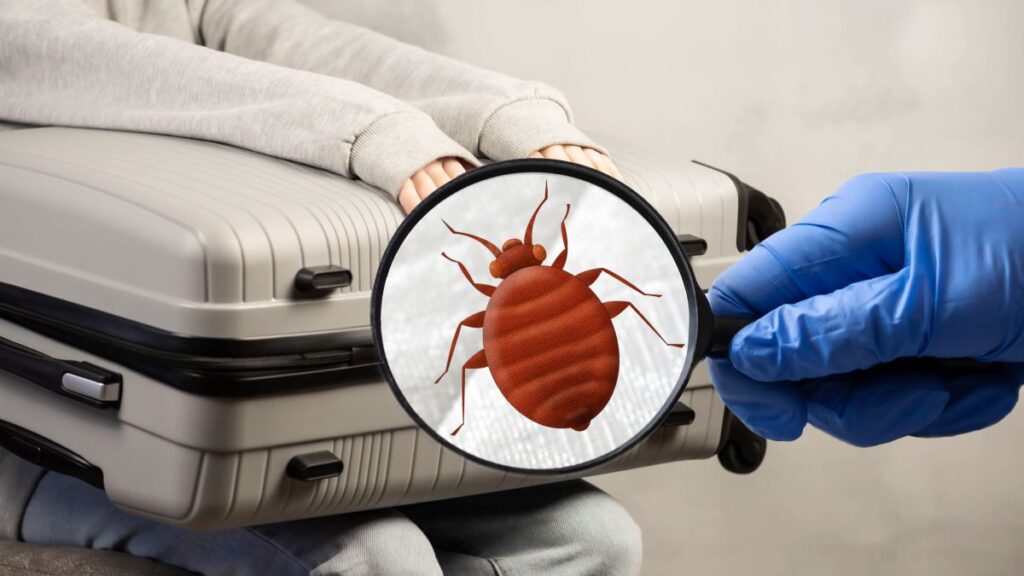
You unpack your toiletries, pull back the crisp hotel duvet, and look forward to collapsing into bed after hours of transit. Then you catch a glimpse of movement along the mattress piping, or spot a cluster of tiny, rust-colored dots near the headboard. In an instant, fatigue gives way to a spike of cold panic. Discovering bed bugs on the first night of a vacation is every traveler’s nightmare, bringing an unsettling mix of physical revulsion, sudden logistical upheaval, and financial stress.
As distressing as this moment is, discovering an infestation on night one gives you a distinct tactical advantage. You have not lived out of the room for days. Your clothing has not settled into every drawer, and cross-contamination is likely minimal. How you manage the next two hours will dictate whether this incident remains a miserable three-hour detour or turns into an expensive, months-long disaster that follows you all the way back to your own bedroom.
Step One: Execute Immediate Baggage Containment
The absolute worst reaction to spotting bed bugs is throwing open your suitcases in a frenzy, rummaging through your belongings, or dragging bags across the carpeting into the hallway. Frantic movement spreads the problem. Bed bugs are opportunistic hitchhikers; when disturbed, they retreat into dark crevices, including luggage seams, shoe linings, and laptop sleeves.
Your immediate objective is establishing a sterile quarantine zone within the room:
-
Move all luggage into the bathroom immediately. Bathrooms are the safest holding areas in any hotel room or rental property. Bed bugs dislike smooth, hard surfaces such as porcelain, tile, and polished stone because they cannot gain traction to climb them.
-
Place suitcases inside the dry bathtub or on an elevated luggage rack. If the bathroom only has a walk-in shower with a tiled floor, inspect the shower pan thoroughly and park your luggage directly inside it. Never leave luggage on the bedroom carpet, upholstered armchairs, or the luggage bench at the foot of the bed.
-
Seal your open bags. Zip every compartment shut. If you carry heavy-duty plastic trash bags or dry bags for laundry, unpack those first and seal your worn clothing and open bags inside them.
-
Avoid sitting on any upholstered furniture. While you coordinate your next moves, stay on your feet or sit on a hard, unpadded chair in the bathroom or entryway.
Containing your gear preserves your belongings and ensures you do not carry the infestation into your rental car, an Uber, or your next accommodation.
Step Two: Secure Irrefutable Photographic Evidence
Before you dial the front desk or leave the room, you must build an airtight body of evidence. Hotel management and short-term rental hosts are trained to protect the property’s liability. If you report bed bugs without physical proof, staff may claim you mistook harmless carpet beetles, lint, or lint-born dust mites for parasites, or they may quietly dispatch housekeeping to strip the bed before an independent inspection can occur.
Take five minutes to methodically document the scene:
Identifying the Classic Warning Signs
Bed bugs leave distinctive biological markers. Look specifically for live insects, which are roughly the size and shape of an apple seed—flat, oval, and reddish-brown if unfed, or rounder and darker mahogany if engorged. You should also look for clusters of minute, dark fecal specks resembling fine-tipped black marker dots that smear slightly if touched with a wet paper towel. Look for translucent, paper-thin shed skins left behind by growing nymphs, as well as faint, rust-colored blood streaks on the sheets or mattress protectors.
Capturing Proof on Camera
Turn on every light in the room, switch your smartphone flashlight on, and record high-definition video evidence:
-
Film a continuous, uninterrupted tracking shot. Start by filming the hotel room door showing the room number, walk directly into the room, and zoom in close on the active infestation. This prevents a hostile property manager from claiming the footage was recorded at a completely different property.
-
Take macro photographs from multiple angles. Use high-contrast lighting to capture sharp, focused images of live insects, fecal spotting on mattress seams, and the underside of the headboard.
-
Collect a physical specimen if possible. If you see a live or dead bug, trap it under an upturned drinking glass on the nightstand, or press a strip of clear packing or scotch tape over it to affix it to a sheet of white paper. Having physical proof on hand strips management of any room for denial.
Step Three: Negotiate Your Exit and Demands with Management
Once your evidence is secured, head down to the front desk in person. Handling this negotiation face-to-face carries far more leverage than calling from the room telephone, where a front desk agent can easily put you on hold or minimize your urgency.
Approach the desk with a calm, professional, and immovable demeanor. Public screaming matches rarely yield good results and may put staff on the defensive. Instead, maintain quiet authority:
-
Ask to speak with the manager on duty away from other guests. Hotel staff are terrified of bed bug panics in the lobby. Giving them an opportunity to resolve the issue quietly provides immediate diplomatic leverage.
-
Present your evidence directly. Show the manager your video and clear photographs. State clearly that the room has an active infestation and that staying in the unit is out of the question.
-
Firmly decline an adjacent room change. If the property offers to transfer you to the room next door, across the hall, or directly above or below the infested room, refuse the offer immediately. Bed bugs easily migrate through shared electrical conduits, plumbing chases, and wall voids. If you accept a room swap at the same property, insist that the new room be located on an entirely different floor and in a completely separate wing of the building, and inspect that new room thoroughly before bringing your luggage across the threshold.
-
Demand a full refund and cancellation waiver. If the hotel is fully booked, or if you simply do not trust the cleanliness of the property, demand an immediate, written cancellation of your entire reservation with zero penalty fees, alongside a full refund for the initial night.
-
Request compensation for immediate laundering expenses. Reputable hotels often offer complimentary laundry services or cash credits to cover professional high-heat laundering for your exposed belongings. Ensure any agreements are documented on hotel letterhead or via a direct corporate email confirmation before you exit the lobby.
If a short-term rental host or boutique hotel refuses to cooperate, contact your credit card issuer immediately to initiate a billing dispute for services not rendered due to hazardous, uninhabitable conditions. Your continuous video footage and photographic records will serve as your primary defense during chargeback arbitration.
Step Four: The Decontamination Protocol
Even if you quarantined your bags in the bathtub within ten minutes of entering the room, treat every textile you carried across that threshold as potentially compromised. Bed bugs do not survive exposure to sustained high temperatures, making heat your most lethal weapon.
Locate a nearby twenty-four-hour commercial laundromat before checking into your replacement accommodation:
-
High heat beats water volume. Washing clothes in hot water helps, but the dryer does the real work. Transfer all washable fabrics—clothing, jackets, cloth bags, and packing cubes—directly into a commercial dryer. Run the cycle on the highest heat setting for at least thirty to forty-five minutes. Bed bugs, along with their microscopic eggs, perish rapidly when exposed to temperatures exceeding 120 degrees Fahrenheit (49 degrees Celsius).
-
Treat your non-washable luggage. Inspect hard-sided suitcases along their zipper tracks, wheel wells, and interior fabric linings. Wipe the shell down thoroughly with hot water and disinfectant wipes. If you travel with soft-sided canvas duffels or nylon backpacks that cannot survive a commercial dryer, consider having them professionally steam-cleaned, or seal them inside contractor-grade garbage bags for the remainder of your trip until you can treat them properly at home.
-
Keep shoes and electronics isolated. Inspect the tread, tongue, and insoles of your footwear. Seal electronics and sensitive items in clear zip-top plastic bags; while bed bugs can harbor inside laptop vents or alarm clocks, they generally prefer soft, dark fabric interfaces close to sleeping hosts.
Step Five: Securing and Vetting Alternate Lodging
After a midnight evacuation, fatigue often clouds judgment. It is tempting to book the first available room on a travel app and crash into the first available bed. Resist the urge to rush.
When booking last-minute replacement accommodations, look for reputable mid-range to high-end business hotels. These establishments typically adhere to strict, corporate-mandated integrated pest management protocols and keep dedicated housekeeping management teams on duty around the clock.
Once you receive your new room keys, perform an exhaustive five-minute baseline inspection before wheeling your bags inside:
Leave your luggage parked in the hallway outside the door or place it immediately into the bathroom. Pull back the comforter, flat sheet, and fitted sheet at all four corners of the bed. Use your phone flashlight to examine the mattress seams, the piping, the tags, and the fabric behind the headboard. Check the crevices of the bedside tables and pull back the dust ruffle if the bed has one. Only after confirming the room is clean should you bring your luggage inside and unpack.
Post-Vacation Vigilance: Leaving the Problem Behind
Handling the crisis on your first night prevents your trip from being ruined, but true peace of mind comes from ensuring nothing slips past your defenses when you arrive home weeks later.
When you finish your travels, make the garage, laundry room, or back patio your staging ground. Never roll vacation suitcases directly into your bedroom or set them on your own bed to unpack. Dump all clothing straight from your luggage into the washing machine or run them through a preventative dryer cycle on high heat. Vacuum out your suitcases meticulously, empty the vacuum canister into an outdoor trash bin immediately, and store empty luggage in airtight storage containers or outside the primary living quarters.
A bed bug discovery is jarring, but it does not have to end your vacation. By acting methodically, documenting the evidence without hesitation, maintaining calm firmness at the front desk, and treating your clothing with aggressive heat, you can shut down the infestation on night one and salvage the rest of your trip.